Becoming a Hasselblad Masters Finalist
Home & Personal · Inspiration & Artist Features
On Lake Eyre, recognition and the quieter path that still carries weight.
There are moments in photography that feel as though they belong quietly to you.
They happen in the field, without announcement. A shift of light across water. A pattern emerging from salt and earth. A colour appearing for only a few seconds before the landscape folds back into itself. These moments are private at first — held in instinct before they become an image.
Then there are moments that feel larger than anything you expected to step into.
Being named a Hasselblad Masters finalist for my Lake Eyre aerial photography is one of those moments.
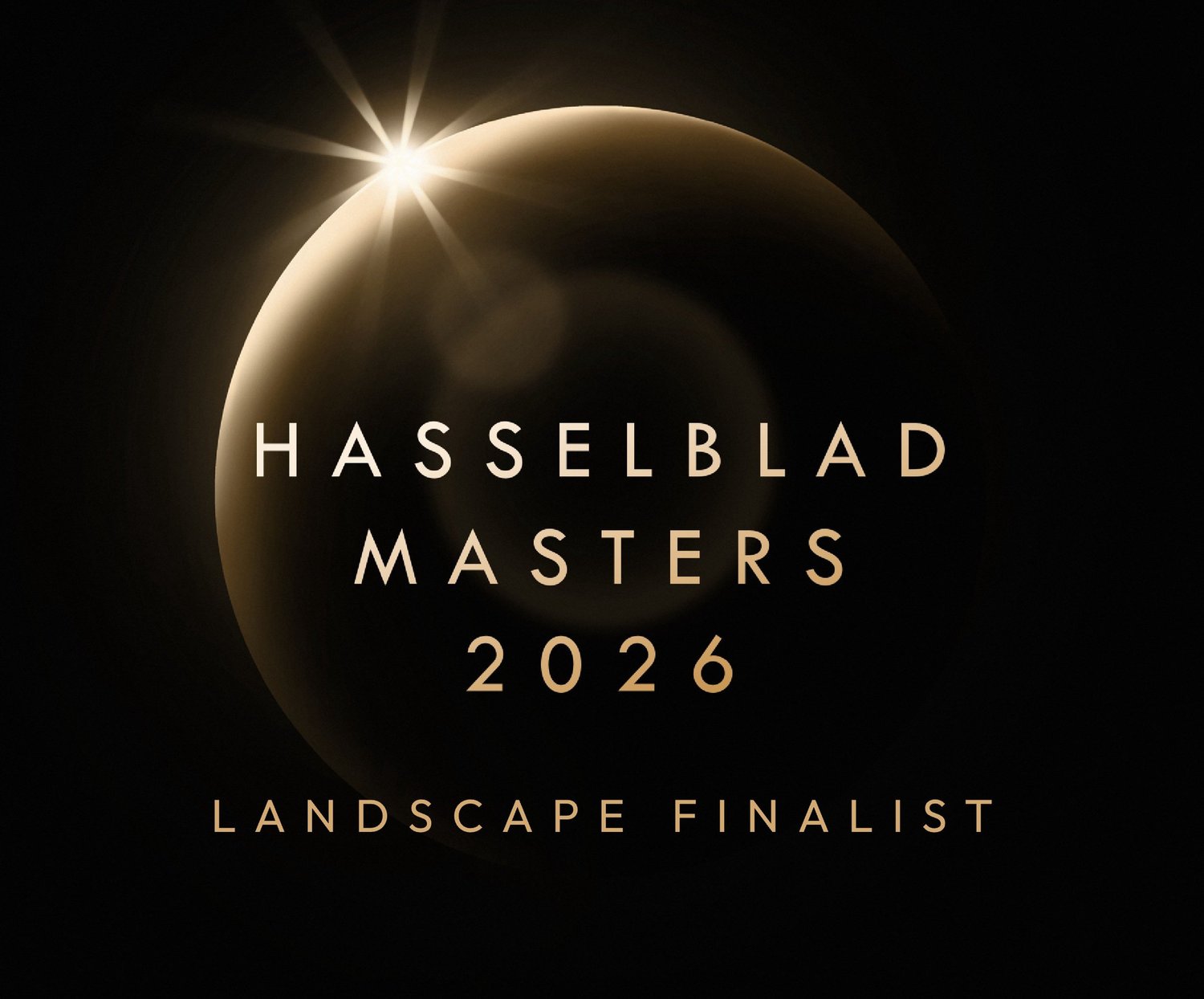
Official Landscape Finalist recognition
01 · Recognition and reverence
A Moment That Feels Larger
It is difficult to articulate the weight of that recognition without sounding either too casual or too overwhelmed. Hasselblad has carried a particular reverence in photography for decades — associated not only with technical excellence, but with a certain seriousness of vision. The Masters competition has always felt, to me, less like an award built around visibility and more like one built around discernment. It recognises work that holds its ground. Work with clarity, restraint and a sense of authorship that does not need to shout to be seen.
To be recognised within that framework feels quietly surreal.
For a long time, the Hasselblad Masters existed in my mind as something distant, almost untouchable. I admired the photographers recognised through it not simply because their work was accomplished, but because it carried conviction. It understood itself. I remember first encountering Alexia Sinclair's work and feeling something shift. There was precision and theatricality in it, but also a complete sense of intention — not just in the execution, but in the feeling that every part of the work belonged to the world she had created. That kind of clarity leaves an impression.
To now be named a finalist within the same award space feels strange in the most beautiful way. Not because I compare my work to anyone else's, but because these moments remind you that photography is never made in isolation. We are shaped by the artists we admire, the places we return to, the risks we take, and the quiet years spent building a visual language before anyone else can fully see it.
02 · The work before the award
When the Landscape Opened
The work that led to this recognition began, as it often does, without expectation.
Flying over Lake Eyre, there is no certainty. The landscape does not perform on command. It shifts according to water, salt, light, season and time — appearing restrained at first, almost withheld, as though it is asking you to wait before revealing anything at all. From the air, everything is in motion, even when it looks still. Channels move. Minerals gather. Colour emerges and disappears. Patterns form, dissolve and begin again.
On this particular flight, the landscape felt quiet at first. Subtle. Almost reluctant.
Then, without warning, it opened.
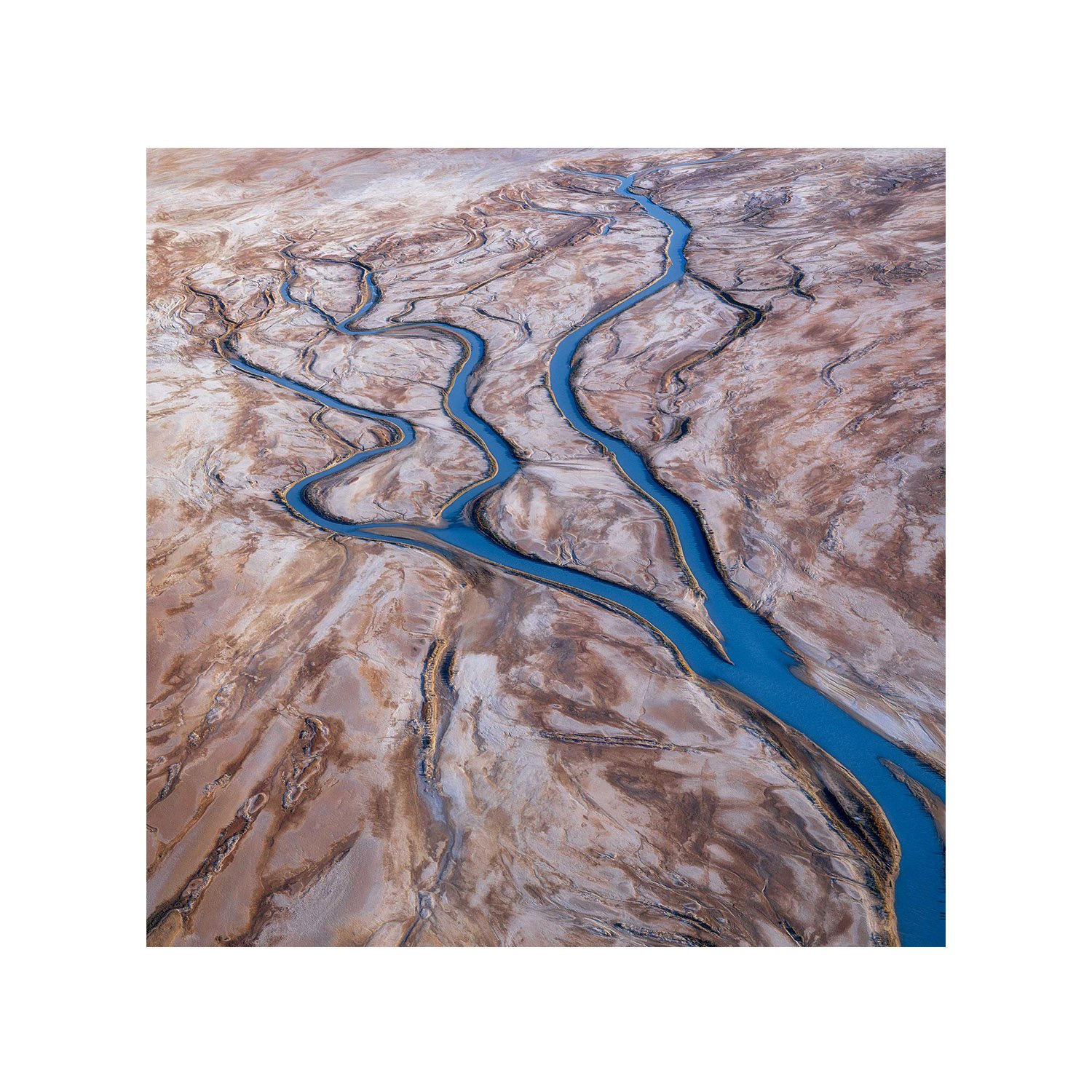
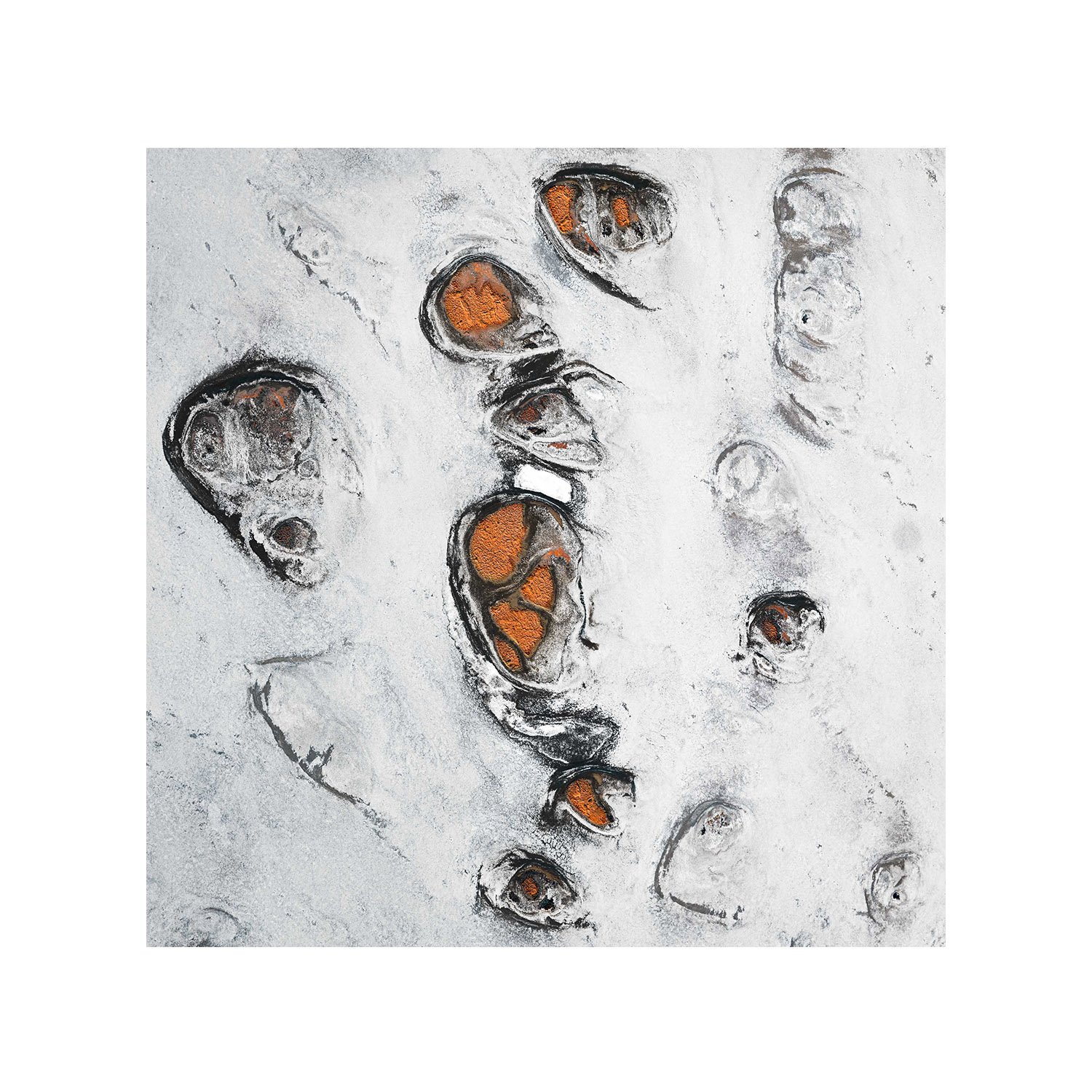
A saturated green channel cut through the earth with an intensity that felt almost impossible. It branched outward, feeding into smaller tributaries that spread like veins across the surface. Around it, the terrain shifted in response — rust tones deepening, white salt formations crystallising into intricate structures. The land seemed less like a fixed surface and more like something alive: biological, responsive, constantly rewriting itself.
In those moments, photography becomes instinctive. There is no time to overthink composition or intent. From a plane, the image either reveals itself or it is gone. You recognise the shape, the rhythm, the tension, the moment of balance — and you respond. Everything happens quickly, but the recognition feels slow, as though some quieter part of you has already understood what the image is asking to become.
What continues to draw me back is not only scale, but complexity. Remove the horizon, remove familiar perspective, remove any clear sense of distance, and the land begins to behave differently. It becomes pattern, movement, memory, system. What first appears abstract slowly organises itself into something deeply connected. It stops behaving like a landscape in the traditional sense. It begins to feel like a living system.
Two movements within the landscape
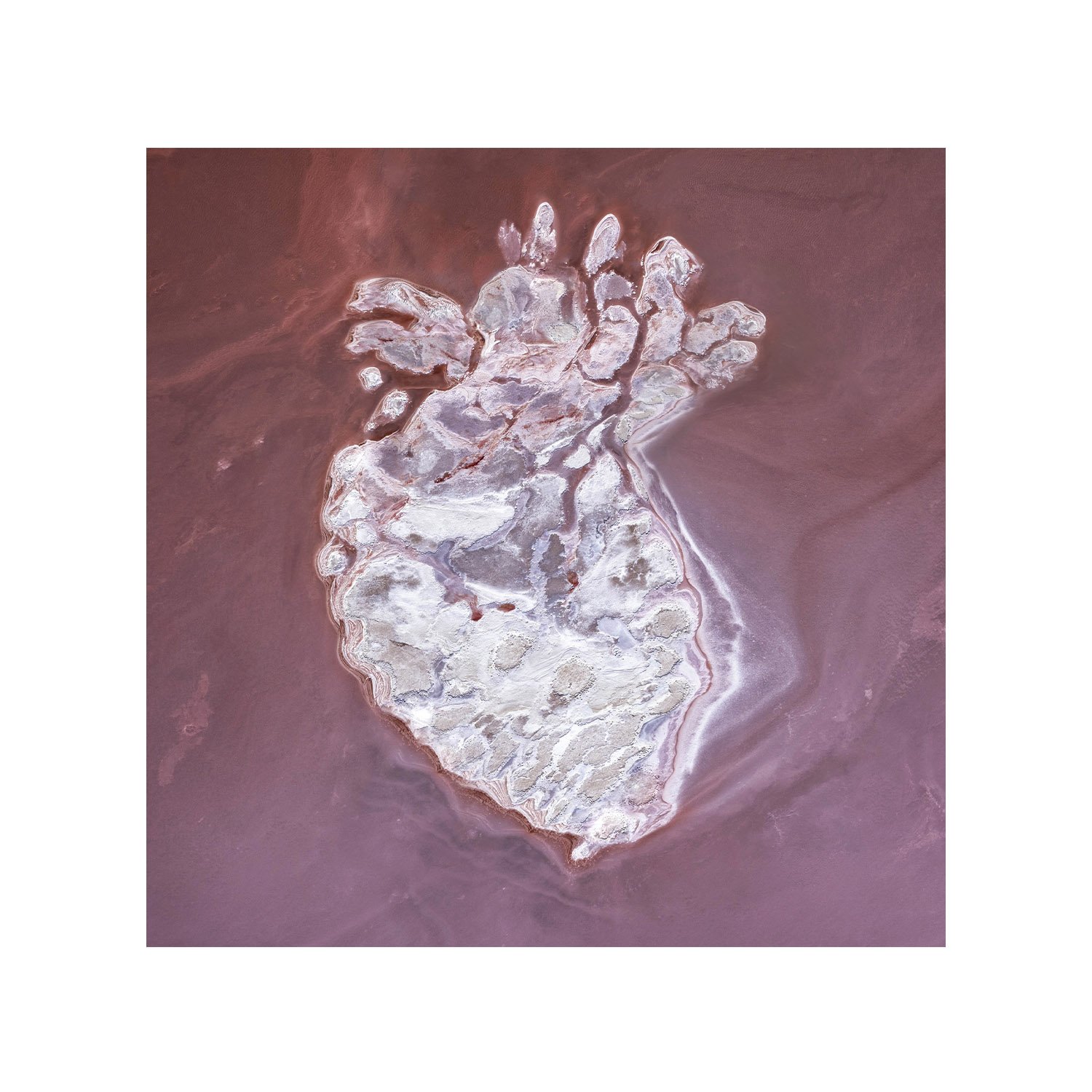
03 · Aerial abstraction
A Living System
That is where the meaning of this body of work sits for me. It is not traditional landscape photography. There are no sweeping vistas, no stable horizon lines, no familiar points of entry. The work exists somewhere between aerial photography, abstraction and emotional interpretation — asking the viewer to sit with form, movement and uncertainty rather than immediate recognition.
Australia's landscapes are often expected to appear in particular ways: vast, iconic, recognisable, dramatic. Lake Eyre resists that expectation. It does not need to be made monumental — it already is. The challenge is not to render it grand, but to find the intimacy within its vastness. To notice the small gestures inside an enormous place.
That has become central to how I approach the landscape. I am less interested in capturing a scene than in understanding how a place feels when it is in transition. Lake Eyre is never fixed. Water moves through it and recedes. Salt expands and fractures. Colours intensify, fade and return. The landscape is always becoming something else, and there is a particular humility in photographing a place like that. You cannot control it, predict it, or ask it to repeat itself. You can only return, observe and remain open enough to recognise the moment when it offers something.
Intimacy within vastness
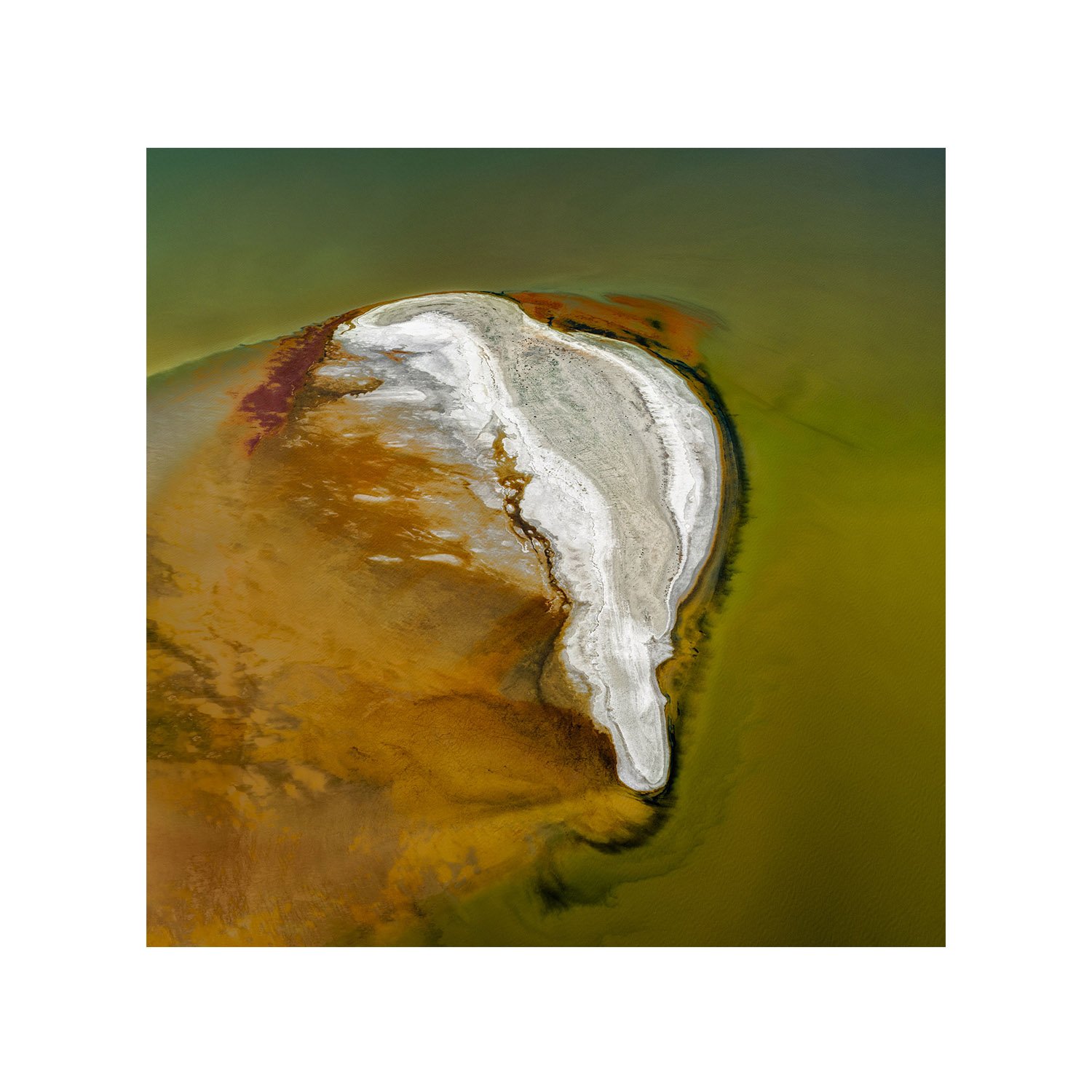
04 · The quieter path
Recognition Without Conclusion
Being named a Hasselblad Masters finalist does not change how I approach the landscape. It does not alter the instinct to return, to wait, to look harder, to let a place reveal itself slowly. But it does sharpen something. It reminds me that the quieter path still carries weight. That work made from patience, restraint and emotional attention can still find its place on a global stage.
Awards are markers, not conclusions. They acknowledge a moment in time — a body of work, a way of seeing, a particular point in a creative life. This one reminds me how much of the work still lies ahead.
The quieter path still carries weight.
05 · The work ahead
To Keep Looking
Lake Eyre will continue to transform. Channels will shift. Colours will recede and return. And I will continue to go back — not to capture it completely, but to understand it in fragments. To keep looking. To keep allowing the landscape to change the way I see.
That has always been the purpose.
The act of seeing
The recognition is a marker. The landscape is the work.
Explore the limited-edition Lake Eyre aerial series, including the four works featured throughout this journal.